
ThreewordwednesdayCall (405) 975-8739

Fence Repair in Edmond, OK

Neighborhood Fence Repair Across Edmond

Threewordwednesday fixes leaning posts, broken boards, sagging chain link, and stubborn gates block by block across Edmond, usually in one visit. Free written estimates.

Fence repair crew fixing a wood fence in Edmond, OK

Around Edmond

Neighborhood-by-neighborhood notes on fence repair across Edmond and nearby towns.

What to Check Before Hiring a Fence Repair Company Around Edmond

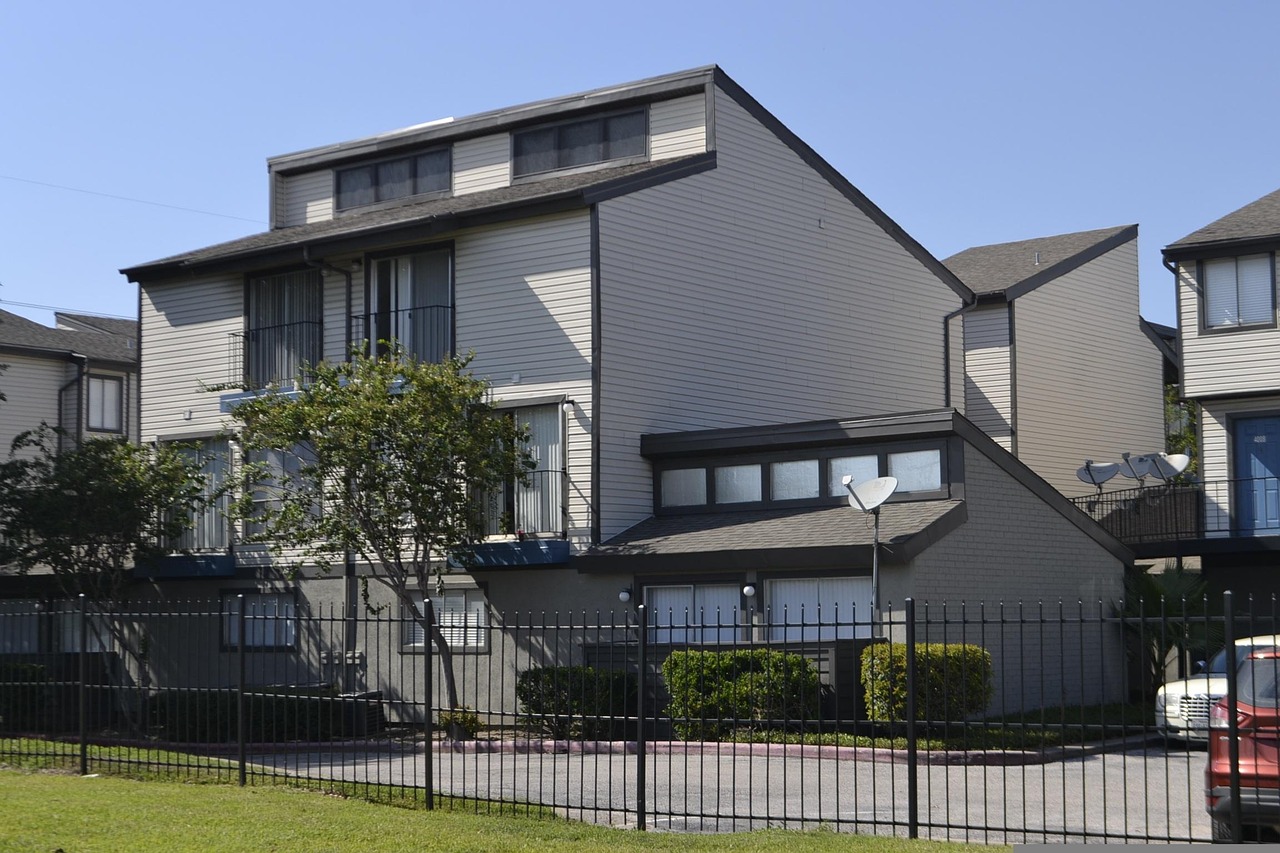
Metal fence running along the front boundary of a residential property near Edmond

Most people hire a fence company the same way they hire a plumber: search, call the first three, take whoever answers. That works fine when the job is generic. Fence work is not generic. A crew that rebuilds wood privacy fences all day is not necessarily the crew you want resetting a wrought iron panel or splicing chain-link fabric, and the difference shows up in the finish rather than in the quote.

Two checks take about five minutes and remove most of the risk. The first is whether the company actually does the specific repair you need. The second is whether they genuinely cover the ground you live on.
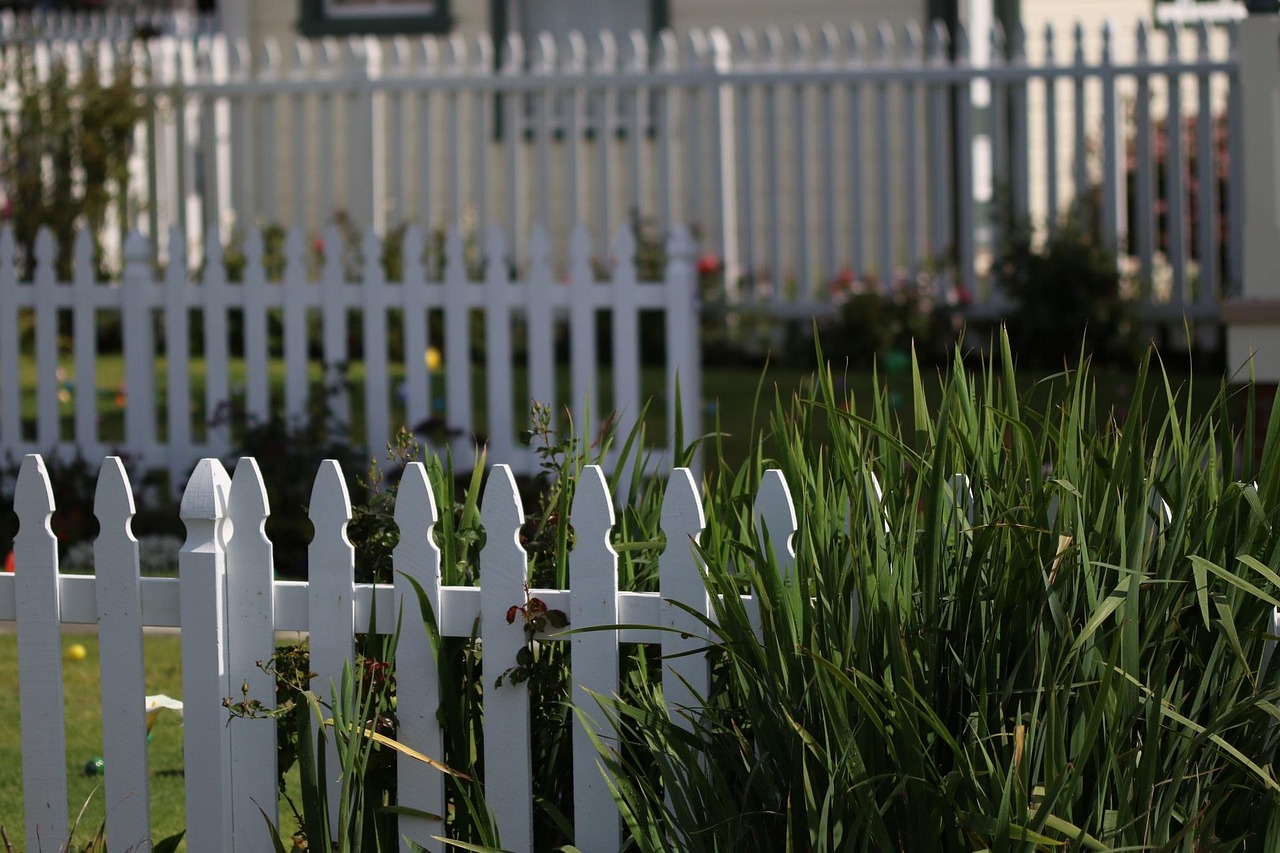
White picket fence running along a residential front yard

Match the repair to the specialty

Fence repair splits into work types that need different tools and different habits. Wood repair is carpentry with a rot problem attached. Chain-link is tension work, where the fabric has to be stretched properly or it bags within a season. Vinyl is largely a parts exercise, since panels and rails are proprietary and either the supplier stocks your profile or nobody does. Wrought iron is welding and coatings. Gate repair is its own trade again, because a gate is a moving assembly carrying weight on one post.

Then there is fence post replacement, which is the structural core of most jobs, and storm damage repair, which is really an insurance and speed problem as much as a construction one.

When a local outfit publishes its work types plainly, that list tells you in seconds whether to keep dialing. Fences Edmond Line, for instance, sets out its services offered as distinct categories rather than one vague “fencing” bucket, which makes the wood versus chain-link versus vinyl versus wrought iron question answerable before anyone books a visit. That is the useful shape. A company that lists only “fences installed and repaired” is asking you to find out by experiment.

Ask directly if the list is ambiguous. “Do you do vinyl?” is a fair question and the answer should be immediate. Hesitation is information.

Coverage is not the same as willingness

The second check catches more people out. Plenty of crews will drive an hour for a large job and quietly decline a two post repair at the same address, or price the drive into the quote so heavily that the number stops making sense.

Central Oklahoma spreads out, and the towns around Edmond each have their own character of fence problem. Nichols Hills and The Village skew toward older established properties with mature trees and correspondingly older fence lines. Arcadia, Jones, and Luther run to larger lots where runs are long and the wind exposure is real. Guthrie and Piedmont sit far enough out that travel genuinely factors into a small job. Bethany, Warr Acres, and the north side of Oklahoma City blend into the Edmond service radius depending on the company.

So look at the published locations before you call, not after. A company that names the towns it serves has already made a decision about travel, and you are not going to spend a week discovering that your address sits just past the line. If your town is on the list, the small job is worth their time. If it is not, the polite quote you receive will reflect that.

For a repair rather than a full build, this matters more than people expect. Repairs are small tickets. The economics of a small ticket collapse quickly with drive time, which is exactly why some quotes come back oddly high for what looks like an hour of work.

What tends to fail first, by fence type

Knowing the failure pattern for your fence type makes the phone call much shorter, because you can describe the problem in the terms a crew already uses.

Wood fails at ground level first, almost always. The pickets and rails outlive the posts by years, which is why a wood fence can look ruined and need only structural work underneath.

Chain-link rarely rots, so it fails at the tension points: the top rail bends, the fabric loosens and bags, and the terminal posts at corners and gate ends work loose because they carry all the pull.

Vinyl fails at the connections and from impact. Cold makes it brittle, so a mower or a falling limb cracks a rail in January that would have bounced off in July. The repair usually hinges entirely on whether the profile is still manufactured.

Wrought iron fails at the coating long before the metal. Rust starts where water sits, typically at the base of a picket or inside a hollow rail, and it stays cosmetic for a long time before it becomes structural.

Gates fail because they move. Hinges sag, the gate post leans under the cantilevered weight, and the latch stops meeting its catch. A gate that will not close is very often a post problem wearing a hardware disguise.

Storm damage is its own case because it is sudden and often partial. A run flattened by wind may sit next to a run that is completely sound, and the temptation to replace everything for visual consistency is expensive.

Before the crew arrives

A few small things make the visit faster and the quote more accurate.

Clear a working path along the fence line. Crews need room to swing and to carry an eight foot post, and moving a row of planters mid job is time you are paying for.

Mark your sprinkler heads and any low voltage lighting runs. Post holes and irrigation lines meet more often than anyone would like, and the repair for that is a separate trade.

Know where your property line actually is, or say plainly that you do not. Fences Edmond Line and most established local crews will flag a boundary question rather than guess, but they can only do that if it comes up before the digging starts.

Finally, have a rough idea of the fence’s age. It changes the recommendation more than almost any other detail, because a fifteen year old fence with three bad posts and a five year old fence with three bad posts are two very different conversations.

Questions worth asking on the phone

Once the work type and the coverage both check out, the call itself is short:

Do you replace posts, or only panels? Post work is the difference between a fix and a delay. A company that avoids post replacement is offering you a temporary result.

Are your posts set with drainage or fully encased? There is a defensible answer either way, but there should be an answer.

Will you match existing materials, and what happens if you cannot? Cedar and pine weather. Vinyl profiles get discontinued. Knowing the plan for a mismatch in advance is better than seeing it on completion day.

Who pulls the permit if one is needed? For repairs it usually is not, but on a corner lot or a height change it can be.

What is the warranty, and does it cover labor or materials? Workmanship cover for a year or more is normal.

When could you actually start? Storm season creates queues. An honest three week answer beats an optimistic one week answer that slips twice.

Timing matters more here than elsewhere

Oklahoma concentrates fence damage into short windows. A single storm night can put every crew in the metro into a backlog that lasts a month, and the companies with the widest coverage area fill up first.

The practical implication is unglamorous: if a fence is leaning but standing, getting it looked at in a quiet stretch is far easier than joining the queue after the next system rolls through. Winter is slow for most crews. Late summer, once the storm run has passed, tends to open up too.

If damage has already happened, photograph everything before touching it, and do not clear debris that forms part of the evidence if an insurance claim is likely.

Common questions

Should I get three quotes for a small repair? Two is usually enough for anything under a few hundred dollars. The coordination cost of a third visit outweighs the spread you are likely to find, unless the numbers you already have disagree wildly, which itself is a signal that they are scoping different work.

Is a company that only does fences better than a general handyman? For post work and tension work, yes, noticeably. For replacing a couple of pickets, a competent handyman is fine and often faster to book.

How do I know a quote is scoped properly? It names the number of posts. A quote that gives a single figure without a post count has not measured the actual problem, and it is the line item most likely to change once the work starts.

Do fence companies handle gates too? Most do, but not all treat it as a specialty. Gates fail far more often than fence runs, so if the gate is your actual problem, confirm it explicitly rather than assuming it falls under general repair.

The short version

Check the work type and check the coverage before you pick up the phone, because both are published and both are quick to read. Most bad fence repair experiences start with a crew that was never the right fit for the job or the address.
Read the full article

When Fence Repair in Edmond Beats a Full Replacement

White picket fence running along a residential front yard in Edmond, Oklahoma

A leaning fence panel is the kind of problem that gets put off for two summers and then gets solved badly. The homeowner either patches the one obvious section every spring, or gets talked into tearing down eighty feet of perfectly sound fence because six feet of it failed. Both are expensive in different ways.

The useful question is not “does it look bad” but “how many posts are compromised”. That single count decides almost everything, and it is something you can check yourself in twenty minutes. Most quotes for fence repair in Edmond come down to that number, whatever else gets discussed at the kitchen table.

Metal fence running along the front boundary of a residential property

Posts decide, panels do not

A wood fence is a row of posts with infill between them. The pickets, rails, and panels are consumable. The posts are the structure. Rot a picket and you replace a board. Rot a post and everything it carries is coming down eventually, no matter how good the boards look.

So the survey is simple. Walk the line and push firmly on each post at shoulder height. A sound post barely moves. A failing one gives, wobbles at the base, or makes a soft crunching noise that tells you the wood below grade has gone. Mark the bad ones. Then count.

Rough thresholds that hold up in practice:

  • Under a quarter of posts failing: repair territory. Replace the bad posts, reuse the good panels, and you buy years for a fraction of the cost.
  • A quarter to a half: genuinely a judgment call, and it usually turns on the age of the wood and whether the failures are clustered or scattered.
  • Over half: replacement. Piecemeal post work on a fence that is failing everywhere becomes an annual expense that never ends.

Clustering matters as much as the count. Eight bad posts in one run along a wet side yard is a drainage problem with a clear fix. Eight bad posts scattered across four sides is a fence that has simply reached the end of its service life.

What Oklahoma weather actually does to a fence

Central Oklahoma is harder on fences than most of the country, and it attacks from two directions at once.

The obvious one is wind. Straight line winds through storm season put enormous leverage on a solid privacy fence, which behaves like a sail. The load lands on the posts, and specifically on the few inches of post right at ground level where the wood is already weakest. A fence that survives a decade of normal weather can lose a whole run in one evening.

The less obvious one is the soil. Central Oklahoma clay expands when it takes on water and shrinks hard when it dries out. Over a wet spring and a dry August, that movement works posts loose in their holes, opens gaps around concrete collars, and lets water sit exactly where you least want it. This is why a fence can lean without any visible rot at all: the wood is fine, the ground let go.

Freeze and thaw finishes the job. Water that has worked its way into an open joint or a split post expands when it freezes and widens the gap slightly each cycle.

Practically, this means two things. Wind damage tends to be sudden and localized, so it is often a genuine repair. Soil movement is slow and portfolio wide, so it tends to show up everywhere at once and points toward replacement.

When repair is clearly the right call

Repair wins more often than contractors admit, and it wins decisively in these cases:

Storm damage to a defined section, where the rest of the fence is sound. This is the most common repair in Edmond and often the cheapest fix in the whole trade.

A gate that sags, binds, or will not latch. Gates fail long before fences do because they carry a moving load on a single post. Regrading the gate post and rehanging the gate is a small job that fixes what feels like a whole fence problem.

Individual rotted pickets or a rail that has pulled loose. Cosmetic and cheap.

A chain link fence with a bent top rail or torn fabric. Chain link parts are standardized and inexpensive, so the economics almost always favor repair.

Wrought iron with surface rust. Iron that is pitted but not perforated cleans up, primes, and repaints. The metal has decades left; the coating failed, not the fence.

When replacement is the honest answer

Push back on a repair quote if any of these are true:

More than half the posts move when you push them. You are paying to prop up something that is going anyway.

The fence was built with untreated posts, or treated posts set directly in dirt without drainage. That construction has a known lifespan and it is short. Repairing it repeats the mistake.

You want a different height, style, or line than what is there. Rebuilding around an existing footprint to save money on a fence you do not want is a false economy.

The fence is on a boundary you are not certain about. If a survey has to happen anyway, do it before spending on a fence in possibly the wrong place, not after.

The matching problem nobody mentions

Here is where repairs disappoint people even when the structural work is perfect. New cedar or pine does not look like eight year old cedar or pine. It is lighter, sometimes dramatically, and it will not weather to match for a couple of seasons.

If the repair is on a back fence line, nobody cares. If it is the section facing the street, it will bother you every time you pull into the driveway. There are three ways out: stain the whole fence after the repair so everything matches at once, ask the crew to source weathered boards where they can, or accept the mismatch knowing it fades within about two years.

Worth deciding before the work starts rather than being surprised by it after.

Edmond specifics worth checking first

A lot of Edmond sits inside HOA subdivisions, and many of them are specific about fence height, material, stain color, and which side the finished face points. Replacing like for like is usually uncontroversial. Changing height or switching material can require approval, and doing it backwards means taking down a fence you just paid for.

City permitting is worth a phone call for a full replacement, especially on a corner lot where sight line rules can apply. A repair to an existing fence generally is not an issue.

Then there is the shared fence conversation. If the line is shared with a neighbor, agreeing who pays for what before the crew arrives prevents a genuinely awkward situation later. Contractors working around Edmond and out toward Arcadia, Piedmont, Guthrie, and Jones deal with this constantly and can usually tell you how it normally gets split locally.

What a repair quote should itemize

A vague number is where repair jobs go wrong, because the cheap quote and the thorough quote look identical on paper until the work starts. Ask for the line items:

How many posts, and set how. The single biggest cost driver. It should say how many are being replaced, what they are made of, and whether they are being set with drainage at the base or encased in concrete.

What happens to the old concrete. Pulling an old footing is real labor. A crew that plans to set the new post beside the old collar rather than remove it is saving themselves time and costing you longevity.

Panels reused versus replaced. If you are paying for new pickets, say so explicitly. If sound panels are being lifted and reset, that should be priced differently.

Hardware. Nails pull loose over time in this climate. Structural screws on rails cost slightly more and hold far longer, and it is worth asking which you are getting.

Cleanup and haul away. Old posts, broken concrete, and scrap wood have to go somewhere. Whether that is included changes the real price meaningfully.

Warranty, and on what. Most reputable crews stand behind workmanship for a year or more. A warranty on labor is normal, one on weathering is not.

Two quotes that differ by a wide margin usually differ on the post count or on whether old footings are being removed, not on hourly rate. Once both quotes list those, they become comparable.

Common questions

Can single posts be replaced without taking down the panels? Usually yes. A crew can support the adjacent sections, pull the failed post, and set a new one without dismantling the runs on either side. It is fiddlier than a full rebuild per post, which is why it stops making sense once the count climbs.

Is concrete around a post good or bad? Both, depending on how it was done. Concrete that fully encases the post and traps water at the base accelerates rot. Concrete that supports the post while letting the bottom drain works well. This is why two identical looking fences can fail a decade apart.

How long should a wood fence last here? With treated posts and reasonable drainage, roughly fifteen to twenty years for the structure, with pickets replaced along the way. Untreated posts set poorly can start failing inside five.

Does insurance cover storm damage to a fence? Often yes under the other structures portion of a homeowners policy, subject to the deductible. Photograph the damage before anything is moved. On a small repair the deductible frequently exceeds the cost, so it is worth pricing the work before filing.

The short version

Count the failing posts before you agree to anything, and treat that number as the decision rather than the sales conversation. Under a quarter is a repair, over half is a replacement, and everything between deserves a second opinion.

Read the full article

Spotting Fence Post Rot Before It Spreads in Edmond

Rotted wood fence post at ground level in an Edmond yard

Most fence failures around Edmond do not start at the top where you can see them. They start at the bottom, at the base of a post, in the red clay soil that stays damp long after a spring rain. By the time a section is leaning near Coltrane Rd, the rot has usually been working for a year or two. Catching it early is the difference between a single post reset and a rebuilt run.

Do the Wiggle Test

Grab the top of each post and give it a firm push and pull. A sound post barely moves. A post with rot at the ground line rocks in place or feels spongy where the wood meets the soil. Walk the whole fence and test every post, paying extra attention to the ones on the low, shady side of the yard where moisture lingers longest.

Look at the Ground Line

Rot almost always shows up right where the post enters the dirt. Scrape away an inch of soil and mulch from the base and look for dark, soft, or crumbling wood. Poke it with a screwdriver. If the tip sinks in easily, the post is going. Clean wood resists the point. A quick look at the ground line tells you more than the whole rest of the post.

Watch the Rails and Gaps

A failing post pulls its neighbors out of line before it falls. If you see rails starting to pull loose, or the gaps between pickets widening on one section, a post nearby is probably the cause. Uneven gaps near Bryant Ave are often the first clue a homeowner notices, usually a season before anything actually leans.

Fix One Post Before It Becomes Five

The reason to catch rot early is simple. One rotted post is a straightforward wood fence repair: dig it out, set a new one in concrete below the frost line, and the run is solid again. Left alone, that post drags the sections beside it out of plumb, loosens their rails, and turns a small job into a much larger one. Depth matters here, since a post set too shallow in Oklahoma County heaves right back out over winter.

When to Call for a Look

If more than a couple of posts fail the wiggle test, or a section is already leaning, it is worth a professional look before the next storm finishes it. We will walk the fence with you, show you what we find, and give you an honest read on whether a repair or a fuller rebuild makes more sense. Ready to get on the schedule? Contact us and we will come take a look.

Threewordwednesday keeps fences standing block by block across Edmond. Call (405) 975-8739 for a fast, free estimate.

Read the full article

Fences We Fix Across Edmond Neighborhoods

Threewordwednesday provides fence repair in Edmond, OK, and we handle the full range of common failures on a residential fence. We reset leaning and rotted posts in concrete, replace cracked pickets and missing boards, re-secure loose rails, restretch sagging chain link mesh, rehang dragging gates, swap worn hinges and latches, patch split vinyl panels, and straighten bent wrought iron and aluminum. Whatever material went up around your yard years ago, we most likely repair it. Homeowners from Coffee Creek down to Oak Tree, and along Covell Rd near the 73013 line, call us the day a fence stops doing its job.

We work one neighborhood at a time, and that keeps our scheduling tight and our drive times short. A crew that already knows the older cedar runs off Kickingbird Rd, the newer vinyl behind Coltrane Rd, and the chain link that borders the lots near Danforth Rd does not need to guess at what it is walking up to. That familiarity shows up in the repair. We match your existing pickets, we set posts to a depth that suits the red clay soil, and we leave the fence looking like the rest of the run rather than an obvious patch job.

There is usually no good reason to tear out a whole fence when a targeted repair will carry it for years. One failed post, a single storm-flattened section, or a gate that has dropped out of square does not mean the other 90 feet are done. We walk the line with you, point out exactly what needs attention, and hand you a written price before we lift a tool. Most repairs wrap up in a single visit somewhere around the 73034 and 73025 parts of town, and we always haul off the old material and rake the yard clean before we leave.

Edmond weather is the reason most fences here fail on the same schedule. Long July heat dries and cups cedar boards, spring rain swells them back, and the freeze and thaw of an Oklahoma winter heaves posts a little further out of plumb every year. Straight line wind and the occasional ice load finish the job in one afternoon. We repair to hold up against that cycle, not just to look right for a season, which is a big part of why our work near Bryant Ave and Santa Fe Ave tends to stay put instead of failing again the next spring.

  • Why local knowledge mattersKnowing the clay soil, the wind exposure, and which fence styles went up in which Edmond subdivision means a repair that actually holds, not a guess.
  • Straight answersWe tell you whether a repair will hold or a replacement makes more sense for your 73013 property. No pressure either way.
  • One visit, most jobsWe arrive ready to finish, so you are not left with an open yard along Covell Rd for days on end.
  • We stand behind itIf a repair is not right, we come back and make it right. That is the whole deal, on every street we work.
  • Questions From Around the Edmond Area

    How much does fence repair cost in Edmond?
    Most repairs run between $135 and $725 depending on the material and how many posts are involved. Storm and full-section jobs cost more. Because the condition of the posts matters so much, the only way to get a firm number is a free on-site look, which we always put in writing before starting.
    How fast can you get to my street?
    Usually within a few days, and often sooner. After a big storm the schedule fills fast because everyone near Coltrane Rd and Danforth Rd calls at once, so it helps to call early at (405) 975-8739.
    Which Edmond areas do you cover?
    We serve Edmond ZIP codes including 73003, 73013, and 73034, plus Arcadia, Guthrie, Luther, Jones, and north Oklahoma City. If you are not sure your neighborhood is in range, just ask.
    Should I repair or replace my fence?
    If the posts are sound and only boards, mesh, or a single section are damaged, a repair is the smart and affordable choice. When posts are rotted along most of the line and several runs are failing, replacement often costs less over the long haul. We give you the honest read.
    Do you repair vinyl and wrought iron, or only wood?
    We repair wood, cedar, chain link, vinyl, aluminum, and wrought iron. Different materials fail in different ways, so tell us what you have when you call and we will bring the right parts for a fence near Kickingbird Rd or anywhere else in town.
    Can you match my existing pickets and panels?
    In most cases, yes. We match the profile and height of your existing wood or vinyl as closely as the local supply allows so the repaired section blends into the rest of the run rather than standing out.
    Are estimates really free?
    Yes. Every estimate is free and comes in writing before any work begins, so you know the price for your 73013 property before you commit to anything.
    How deep do you set replacement posts?
    We set replacement posts in concrete below the local frost depth so the freeze and thaw cycle in Oklahoma County does not heave them back out. Proper depth is the single biggest reason a reset post stays plumb for years.
    Do you clean up when the job is done?
    Always. We haul off the old boards, broken posts, and torn mesh, and we rake the yard along the fence line before we pull away from your Covell Rd or Santa Fe Ave home.

    The Repairs Our Local Crew Handles

    Whatever went up around your yard, we most likely fix it. Here is what Edmond homeowners call us for most, from a single wobbly gate to a full run of storm damage near Sooner Rd.

    Wood and cedar

    We reset leaning or rotted posts in concrete, replace cracked and missing pickets matched to your fence, and re-secure loose rails so the whole run stands straight and even again.

    Chain link

    We restretch sagging mesh, straighten or replace bent line and terminal posts, repair top rails and bottom tension wire, and fix gates that drag or refuse to latch.

    Vinyl and PVC

    We replace cracked panels and pickets, reseat rails that have popped from their routed posts, and shore up sections that have shifted so the fence reads clean from the street.

    Gates

    The part that moves every day usually fails first. We rehang dragging gates, square the frame, add a brace where it sagged, and swap worn hinges and latches so it closes true every time.

    Posts

    One failed post pulls the sections beside it out of line. We dig it out and set a new one in concrete below the frost depth so the problem stops spreading down the fence.

    Storm damage

    Straight line winds and ice take whole sections down in an afternoon. We secure the gap and rebuild the run quickly, often the same day for a straightforward job.

    The Edmond Communities We Cover

    We keep our work close to home, which means we can usually schedule you within a few days and get there fast. We cover Edmond and the nearby stretch of the metro, and we know the local subdivisions, the older cedar streets, and the newer vinyl neighborhoods well.

    Not sure whether you are in our area? Give us a call at (405) 975-8739 and we will let you know right away.

    • Edmond, OK (73003, 73013, 73034)
    • Arcadia
    • Guthrie
    • Luther
    • Jones
    • Nichols Hills
    • The Village
    • Piedmont
    • North Oklahoma City

    What Fence Repair Costs Near You

    Everyone wants a ballpark before they pick up the phone, so here is an honest one for the Edmond area. These are typical ranges, not a quote. What moves the price most is the material, whether the posts are sound or need resetting in concrete, and how much of the run is affected. A single panel behind a house off Bryant Ave is quick and cheap. A full line flattened by a July storm is a bigger job. We put the firm number in writing after a free look, so there are no surprises.

    Board and panel repair$175 to $600
    • Replace cracked or missing wood
    • Re-secure loose rails
    Get estimate
    Chain link and gate work$135 to $725
    • Restretch mesh and tension
    • Rehang and rehardware gates
    Get estimate

    Find Fence Repair in Your Neighborhood

    A leaning post or a gate that will not latch only gets worse, and Oklahoma weather does not wait. Let us take a look while it is still a simple fix. Threewordwednesday offers free, friendly estimates block by block across Edmond and the nearby metro, and most repairs are finished in a single visit.

    Call (405) 975-8739